Cuisine is often a reflection of a country’s history and culture, and Nikkei cuisine is a perfect example. Born from the fusion of Peruvian and Japanese culinary traditions, it is the fruit of a history rich in mutual exchanges and influences.
History of Nikkei cuisine
Nikkei cuisine has its origins in the late 19th century, when the first Japanese immigrants arrived in Peru. These immigrants, who came mainly to work in the silver mines, cotton and sugar plantations, brought with them their culinary traditions. Over time, these traditions blended with those of Peru, giving rise to a unique cuisine.
Although the fusion of cuisines began as soon as they arrived, it wasn’t until the 1980s that Nikkei cuisine was officially recognised as such.
Characteristics of Nikkei cuisine
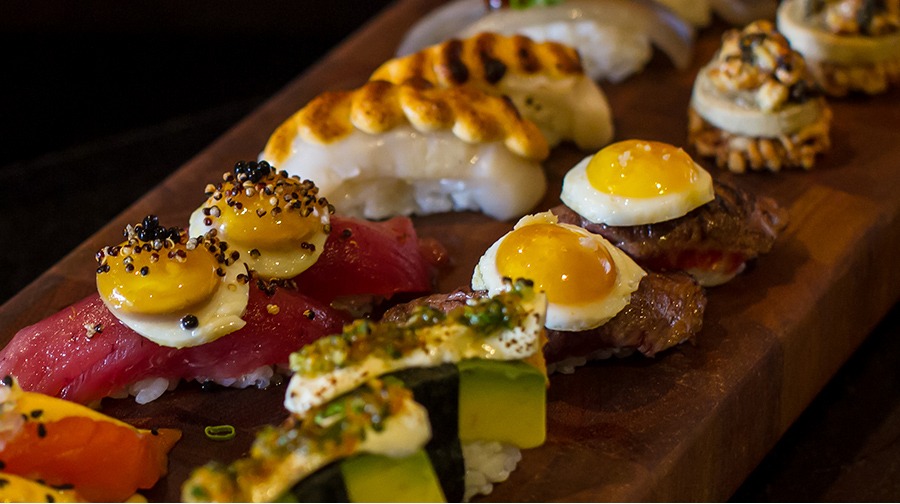
Nikkei cuisine is characterised by the use of typical Japanese and Peruvian ingredients. Rice, vegetables and fish, the staples of Japanese cuisine, blend perfectly with Peruvian flavours. Japanese cooking techniques, such as tempura or sashimi, are combined with Peruvian ingredients to create unique dishes.
Typical Nikkei ingredients include miso, kombu, katsuobushi, shoyu, umeboshi, nori, ajonjolí, wasabi, sake, mirin, rocoto, coriander, as well as a variety of fish and seafood.
The perfect fusion: Nikkei
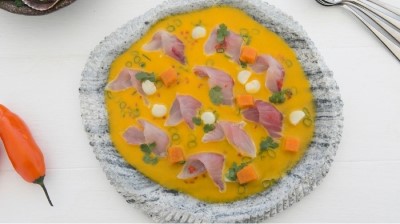
The term “Nikkei” means “far from Japan” and is used to define people of Japanese origin living outside their country, bringing their customs and way of life to other communities. By extension, the word has come to describe this gastronomic marriage.
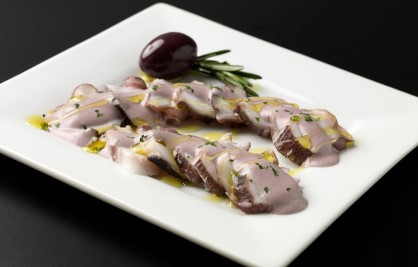
Thanks to this fusion, emblematic dishes such as Pulpo al olivo were created by Rosita Yimura, the daughter of Japanese immigrants who arrived in Peru in 1935. Yimura succeeded in bringing octopus into the spotlight, as before then the mollusc was sent back to the sea as it was not part of any Peruvian dish.
Another treat is fish tiradito, a dish that combines the sashimi technique of cutting fish with a sauce called ‘tiger’s milk’. This gastronomy also includes makis which, thanks to this fusion, can be filled with smoked trout, quinoa, lomo saltado, crabmeat, salmon, prawns and much more.
International influence and recognition
Nikkei cuisine has gained popularity not only in Peru and Japan, but throughout the world. Many renowned chefs have been seduced by this unique fusion of flavours and techniques. Today, Nikkei cuisine is considered one of the most innovative and interesting cuisines in the world.
Nikkei cuisine is a true celebration of the fusion of cultures. It reflects a rich and complex history, and offers a unique culinary experience. Whether you’re a fan of Japanese or Peruvian cuisine, or simply enjoy inventive, tasty and original dishes, Nikkei cuisine is a must.