


With each new edition, the World Travel Awards do more than compile a list of competing destinations. The nominations also offer a fairly precise reading of how the tourism offer is structured and evolving on a global scale.
In 2026, this framework highlights a reality already visible on the ground: destinations are no longer positioning themselves solely on the basis of their notoriety, but on their ability to respond to increasingly specific expectations. In this context, Latin America emerges as a region capable of covering a wide range of experiences, from nature to major cities, including culture and gastronomy.
References that continue to shape demand
Some destinations are no longer trying to emerge; they are established over time. Their regular presence in the nominations confirms their role as entry points for a first discovery of the region, as well as their ability to structure broader itineraries.
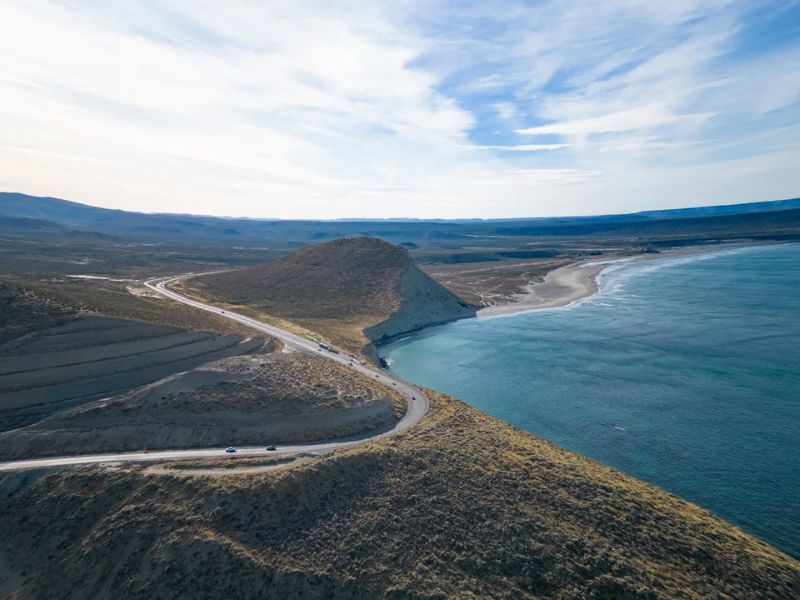
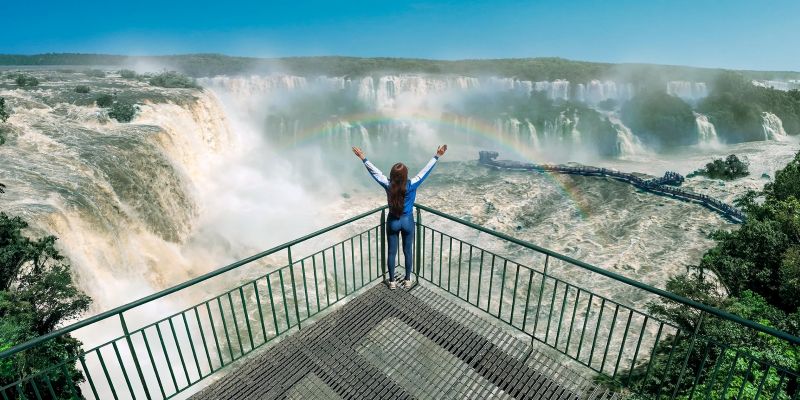
Machu Picchu in Peru, Chichén Itzá in Mexico, and the Iguazú Falls between Argentina and Brazil remain among the most internationally recognizable sites. Alongside them, environments such as the Atacama Desert in Chile, the Perito Moreno Glacier in Argentina, and Tayrona National Park in Colombia continue to attract travelers in search of open spaces and nature-based experiences.
These destinations are not limited to their image: they often serve as starting points for building itineraries that include other, sometimes less-known but complementary stops.
Cities and destinations: adaptability in use
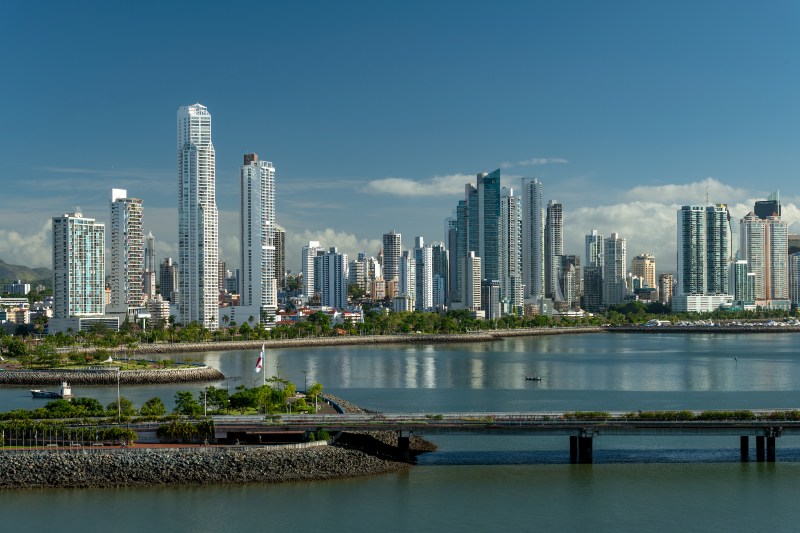
Some destinations stand out for their versatility. This is the case of countries like the Dominican Republic or cities such as Bogotá, Buenos Aires, Lima, or Rio de Janeiro, which can fit into multiple types of travel without losing clarity in their positioning.
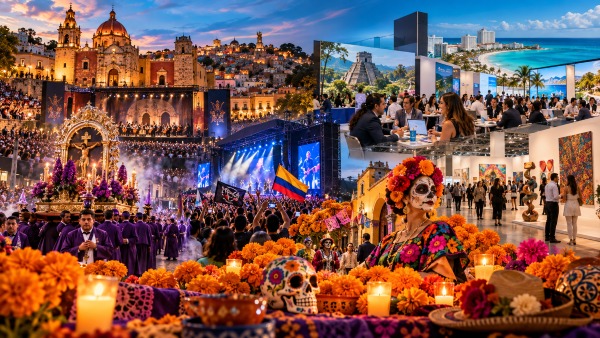
Within the same territory, urban tourism, cultural visits, sports, business travel, and short stays coexist. This diversity relies on solid infrastructure, strong air connectivity, and a sufficiently broad offer to adapt to different profiles.
In practice, this flexibility facilitates itinerary design. A destination can serve as an entry point, be integrated into a business trip, or extended into a leisure stay, depending on the needs.
Growing segments
The 2026 edition also confirms the increasing weight of specific segments in the regional offer. Wine tourism is a particularly visible example in South America.
In regions such as Mendoza and the Uco Valley in Argentina, as well as in Chile and Uruguay, wineries have progressively opened to visitors. The visit is no longer limited to production: it is part of a broader experience combining tastings, landscape, and territorial discovery.
This type of offer reflects a more general evolution: destinations are no longer just places to visit, they develop clearly defined products.
Voting as a visibility driver
Voting for the 2026 edition is now open and will run until June 12 for the South America and Central America categories. As every year, it brings together the general public and industry professionals, whose votes carry greater weight once verified.
Beyond the nominations, this process directly contributes to the visibility of destinations in the months ahead. It also offers an opportunity for tourism stakeholders and travelers alike to support the places that matter in their itineraries and in their perception of the region.
Click to vote for your favorite destinations
Photos: Visit Argentina