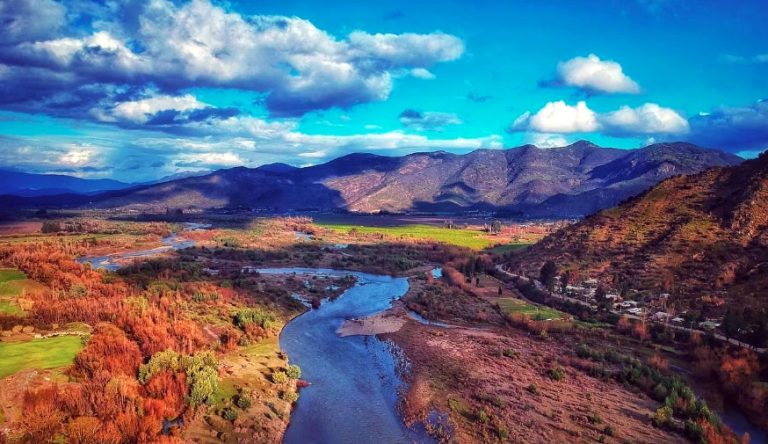

South of Santiago, the O’Higgins region crosses much of the geography of central Chile. The Andes gradually give way to the wine valleys of Cachapoal and Colchagua, Lake Rapel and then more than 100 kilometers of Pacific coastline. This proximity between mountains, vineyards and ocean makes it possible to change landscapes quickly, but also to move from wine to surf, from mining history to rural villages.
Cachapoal and Colchagua, two major wine valleys
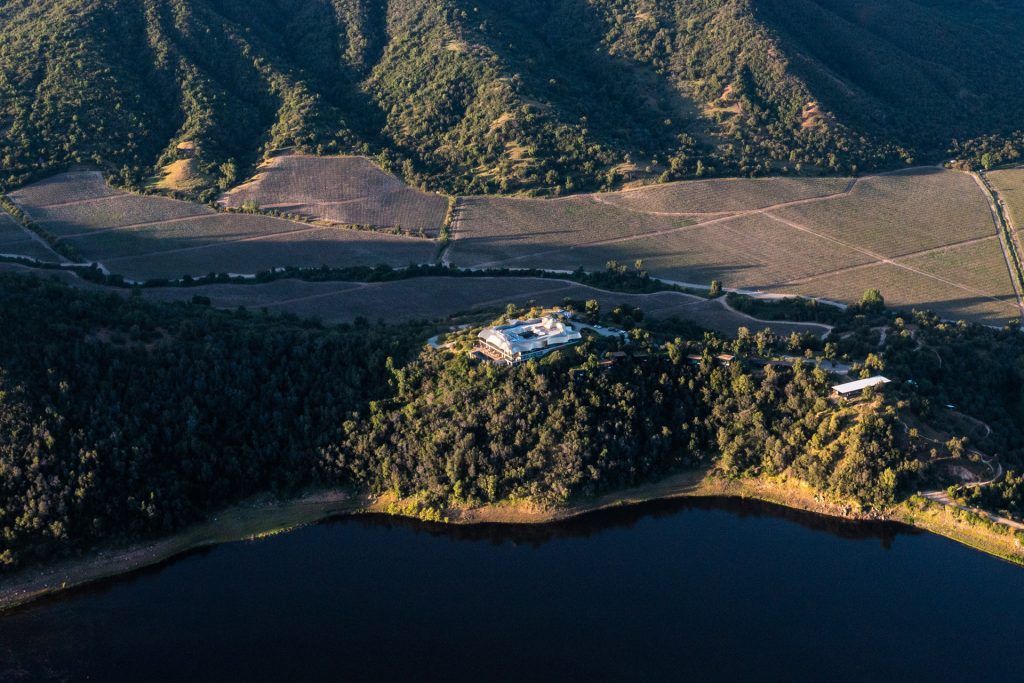
Wine remains one of the guiding threads of O’Higgins. The Cachapoal and Colchagua valleys bring together historic estates, small producers and major Chilean wineries, with production particularly associated with red grape varieties, especially Carménère.
In Millahue, in the Cachapoal Valley, the VIK estate has established itself among the major international references in wine tourism. Third in the World’s 50 Best Vineyards ranking in 2023 and second in 2024, it was named the world’s best vineyard in 2025. The ranking rewards both the work around wine and the experience offered on site, where contemporary architecture, art, dining and accommodation occupy an important place.
Pichilemu, well beyond surf
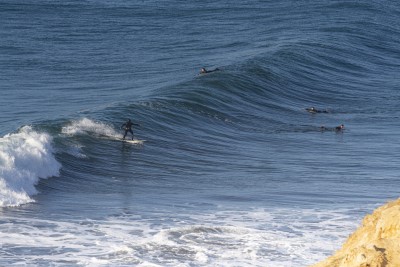
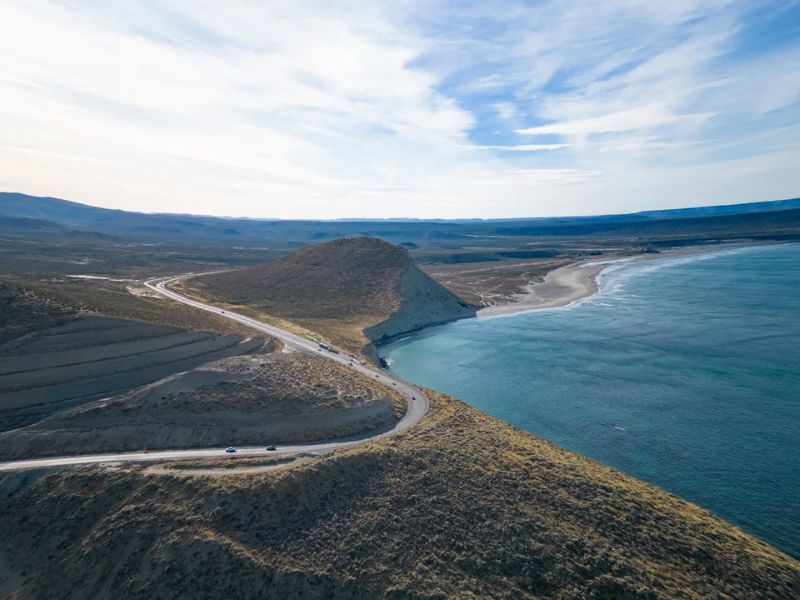
On the coast, Pichilemu is nicknamed Chile’s “surf capital”. Six kilometers south of the city, Punta de Lobos is known for its long waves and rocky cliffs. The site, classified as a World Surfing Reserve, attracts surfers from around the world throughout the year.
But the city is not limited to its beaches. Barrio Ross, developed in the early 20th century, preserves European-inspired architecture now protected as a Zona Típica. Further south, the Salinas de Cáhuil offer a chance to discover artisanal salt production, still extracted in the basins around the estuary.
Lake Rapel, between water and countryside
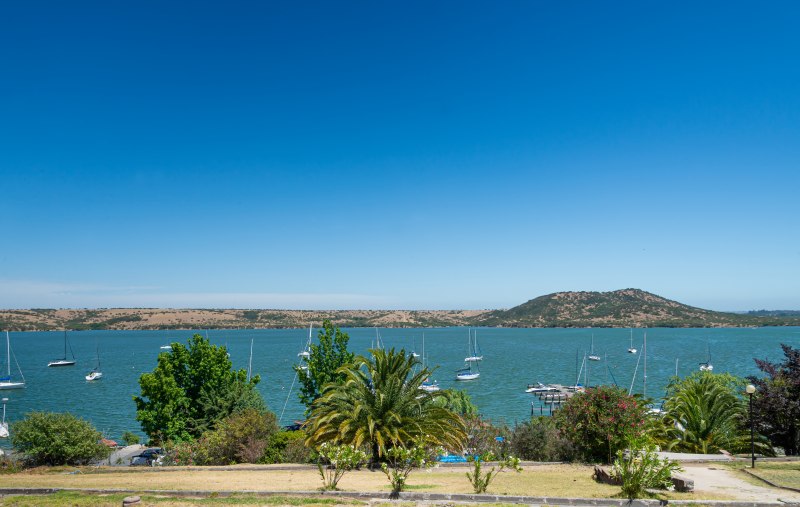
Further inland, Lake Rapel changes the landscape once again. This vast reservoir was created with the construction of the Rapel hydroelectric plant, commissioned in 1968. The dam and its curved wall of more than 100 meters remain visible from the road that crosses this part of the region.
Around the lake, activities focus on the water: fishing, stand-up paddleboarding and other nautical activities, as well as campsites and restaurants set facing the reservoir. Vineyards are also present along its shores, creating a fairly natural link with the neighboring wine valleys.
Tagua Tagua and Almahue, from Carménère to archaeology
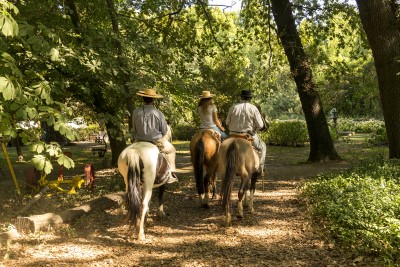
The area of Tagua Tagua and the Almahue Valley deserves more than a simple reference to rural traditions. Almahue is closely associated with Carménère and preserves some of the oldest vines of this grape variety in Chile. Family estates, rural houses and wine culture tell a lesser-known story than that of the great vineyards of Colchagua.
The heritage is also archaeological and paleontological. Around the former Tagua Tagua lagoon, some of the oldest traces of human occupation in Chile have been found. The area notably includes the Indigenous cemetery of Cuchipuy and the Pucará of Cerro La Muralla. Nearby, the Larmahue water wheels, an old irrigation system of which 17 examples are listed as National Monuments, and the adobe and tile houses of Zúñiga add other landmarks to this rural part of O’Higgins.
Our article: Discover Tagua Tagua–Almahue: Rural Routes in the Heart of O’Higgins
Alto Cachapoal, toward the Andes
East of Rancagua, Alto Cachapoal gradually leads back toward the Andes. One of its most distinctive sites is Sewell, a former mining town built at more than 2,200 meters above sea level for workers at the El Teniente copper mine. Its buildings, tiered on the mountain and connected by stairways, earned it the nickname “city of stairs”. Sewell has been listed as a UNESCO World Heritage Site since 2006.
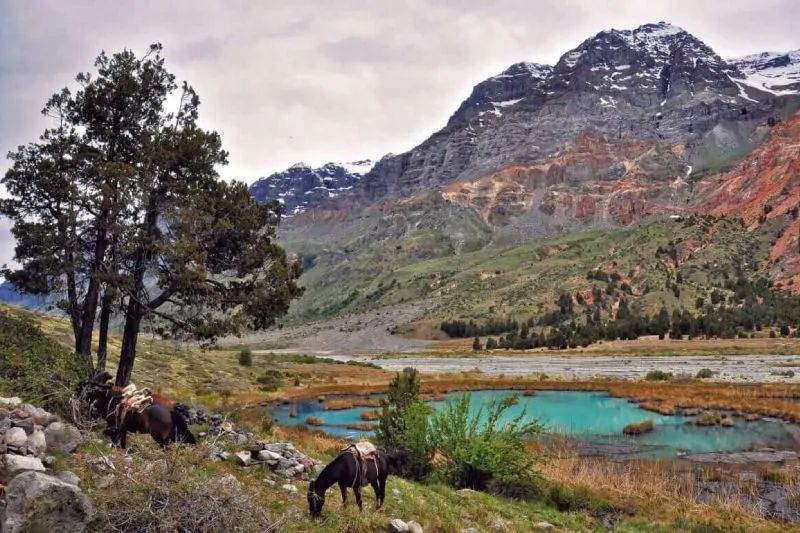
Lower in the valley, the Río de los Cipreses National Reserve opens onto a mountain environment shaped by glacial, volcanic and river phenomena. Several trails allow visitors to explore the reserve on foot or horseback, in an area where peumos, quillayes, vizcachas, tricahues and condors can notably be found.
O’Higgins is ultimately better understood through these changing landscapes than through a single image. The Millahue vineyard, the waves of Punta de Lobos, the old vines of Almahue, the waters of Lake Rapel and the stairways of Sewell all belong to the same region. In just a few hours by road, central Chile moves from the Pacific to agricultural valleys and then to the Andes, with each stage carrying a very different history and set of uses.