This article was originally published on the website www.elcafelatino.org
Colombia
Its name means something like “Land of Columbus”, in an obvious tribute to the Italian navigator Christopher Columbus (1451–1506), who discovered the American continent in 1492.
Ecuador
It was named after the imaginary line that crosses its territory and divides our planet into two halves. The word derives from the Latin aequus, meaning “equal”, referring to the division of the Earth into two equal parts: the Northern and Southern Hemispheres.
Peru
The origin of the name is controversial, with two conflicting interpretations. The first claims it comes from the name Birú, an important Inca chief. The word also means “land of wealth and hope”.
Bolivia
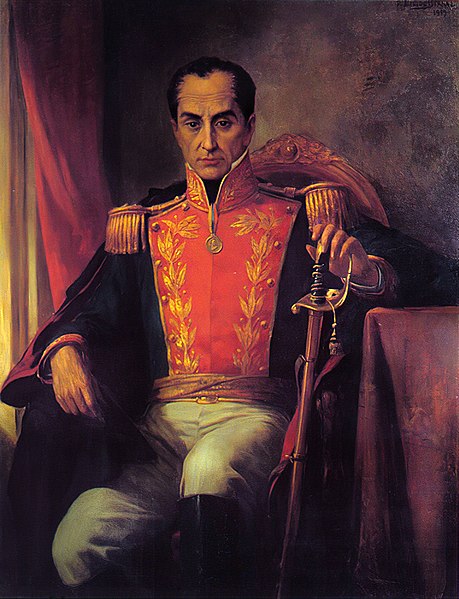
The general and statesman Simón Bolívar (1783–1830) became one of South America’s main heroes by fighting for the independence of several countries. Bolivia was named in his honor.
Chile
Chile was already called that by the Aymara Indians who inhabited the north of the country. In their language, the word chilli means “where the land ends”, referring to its geographic position.
Venezuela
It owes its name to Amerigo Vespucci (1454–1512), the Italian explorer. While visiting the region, he encountered indigenous people who built their houses on stilts over the waters of Lake Maracaibo. This reminded him of Venice, leading him to call the place “Little Venice”, or Venezuela.
Argentina
Inspired by argentum, the Latin word for “silver”. This land impressed its discoverers due to the large quantity of mineral wealth found in its soil, mainly silver.
Suriname
Named after the Surinen Indians, the original inhabitants of the region. A sad memory, since by the time the first settlers arrived, the tribe had nearly disappeared—expelled and decimated by other indigenous groups who occupied the area.
Guyana
Located between the Orinoco, Amazon, and Negro rivers, and bordered by the Atlantic Ocean, the region was known by indigenous peoples as guyana, meaning “land of many waters”.
Brasil
Brazil gets its name from brazilwood (pau‑brasil or pernambuco). Brasil means something like “ember”, referring to the intense reddish color of the wood’s bark, which was used to make dye.
Uruguay
It shares the name given by the Tupi and Guarani Indians to the large river that crosses its territory. In their language, the term means “river of snails”.
Paraguay
The region was inhabited by Indians known as the Payaguás. Skilled swimmers and navigators, they lived along the river that gave its name to the tribe. The word can be translated as “tail of the sea” or “river that leads to the sea”.
Mexico
It comes from the Spanish México, derived from the Nahuatl Mexihco. Its meaning could be “place of the god Mexi” or “navel of the moon”. The original name of Mexico was Mexico‑Tenochtitlan.
Panamá
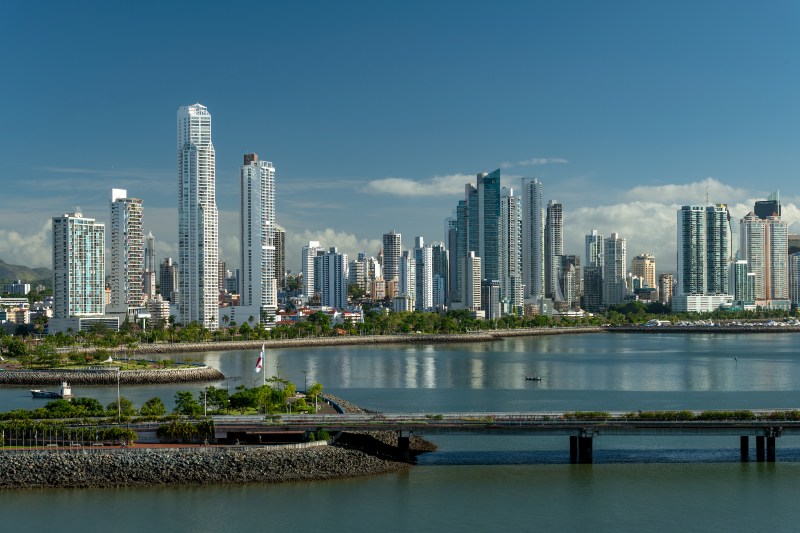
For Native Americans, the word meant “abundance”, as Panama Bay was extremely rich in fish. Another interpretation refers to the panamá tree, an endemic and widespread species. The name is also associated with the famous Panama hat, made from fine, lightweight straw.
Costa Rica
Literally “Rich Coast”. Christopher Columbus landed on Costa Rica’s shores in 1502. He stayed with his crew for 17 days and greatly appreciated the hospitality of the indigenous people.
Honduras
There are many theories regarding the origin of the name Honduras. It first appeared in official texts in 1607. Other historical names include Guaymuras, Waymas, Fondura, and Ternura. The toponym Honduras means “deep waters” in Spanish.
Nicaragua
When Europeans arrived, two major linguistic groups dominated Nicaragua: one of Nahuatl origin and another of Macro‑Chibchan origin. The modern Miskito, Sumu, and Rama peoples descend from these groups. Others claim the Nahua people called the area Nicanahuac, meaning “this is where the Nahuas arrived”.
El Salvador
Formed from the union of the provinces of Sonsonate and San Salvador, the official name “El Salvador” means “The Savior”, in reference to Christ. Although not officially registered at first, the earliest record of the name dates to 1525 in Guatemalan archives.
Guatemala
It derives from the Nahuatl word Quauhtemallan, meaning “place of many trees”. Other interpretations suggest meanings such as “land of eagles” or “land of the bird that eats snakes”.
Caribbean Islands
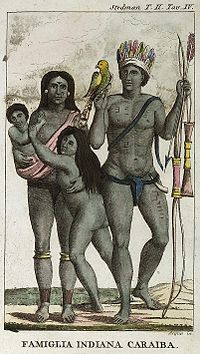
In the Kalinago language, karibna meant “human being” or “person”. Among other indigenous Caribbean peoples, the term referred to the Kalinago themselves and meant “brave” or “courageous”. The term was coined by Europeans, not by Caribbean natives. Caribbean derives from “Karib”, the name given by colonizers to one of the last indigenous peoples to survive the Amerindian genocide.
Cuba
There are many theories about the origin of Cuba’s name. One suggests it comes from the Taíno word Ciba, meaning stone, mountain, or cave. Others believe it comes from cohiba. Another possible origin is Cubanacán, meaning “central place”.
Haiti
Haiti comes from the Arawak language and means “land of mountains”. It is the name the Taíno people gave to the western part of the island shared with the Dominican Republic.
Jamaica
Through Spanish translations over time, the Taíno words Xaymaca or Yamaya became Jamaica. The name means “land of forests and water”.
Puerto Rico
Puerto Rico was called Boriquén by the Taíno natives, meaning “Land of the Great Lord”. From this comes the affectionate term boricua. The Spanish name literally means “Rich Port”.
Dominican Republic
Originally called Santo Domingo (“Saint Dominic”), the name of its capital, it later became the Dominican Republic. According to historian Celsa Albert Batista, the name comes from the Dominican order of friars who evangelized the region. Another theory suggests Columbus named it after arriving on a Sunday, although he called the entire island Hispaniola.