


Disconnecting, following the traces of history, travelling for a concert or choosing a destination according to budget: motivations are changing, and holidays are no longer always built solely around the places to visit. In its 2027 travel trends reports for France, Spain and the United Kingdom, Skyscanner looks at these new expectations, based on its search data and surveys conducted among French, Spanish and British travellers.
Several trends resonate particularly strongly in Latin America. Some destinations feature directly in Skyscanner’s results, while others offer experiences that match these new desires. From music to history, nature stays to trips with friends, the region has plenty to offer, sometimes already well known, sometimes less present in traditional travel programmes.
Disconnecting, away from screens and everyday life
Digital disconnection appears among the expectations for 2027, with noticeable differences between markets. It concerns 33% of the French travellers surveyed, compared with 18% of British travellers and 10% of Spanish travellers. In the searches presented in the French edition, Cuzco, Peru, shows an increase of 65%.
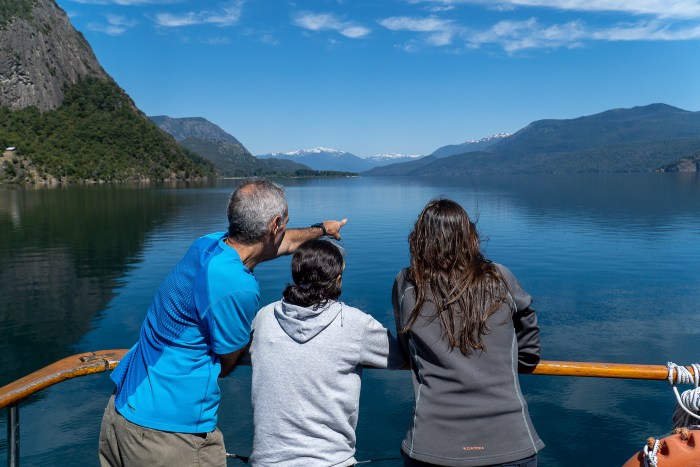
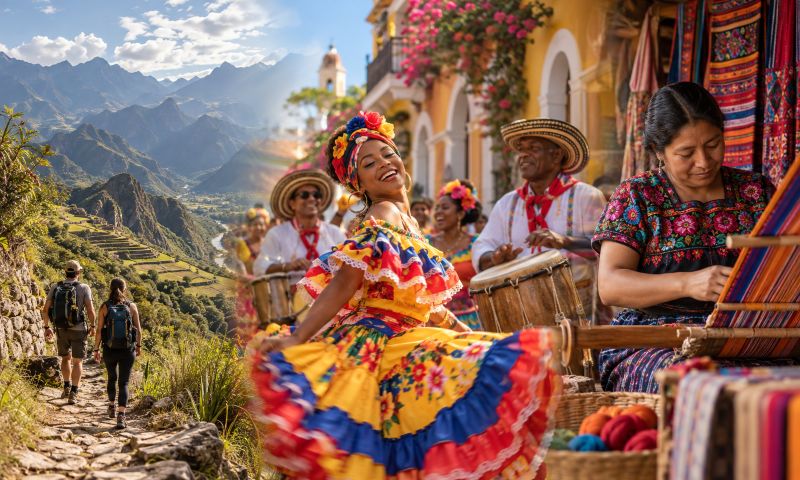
The result is hardly surprising. From Cuzco, the possibilities go far beyond visiting Machu Picchu. The Sacred Valley, Andean trails, villages and mountain accommodation make it possible to devote several days to walking, meeting people or simply resting.
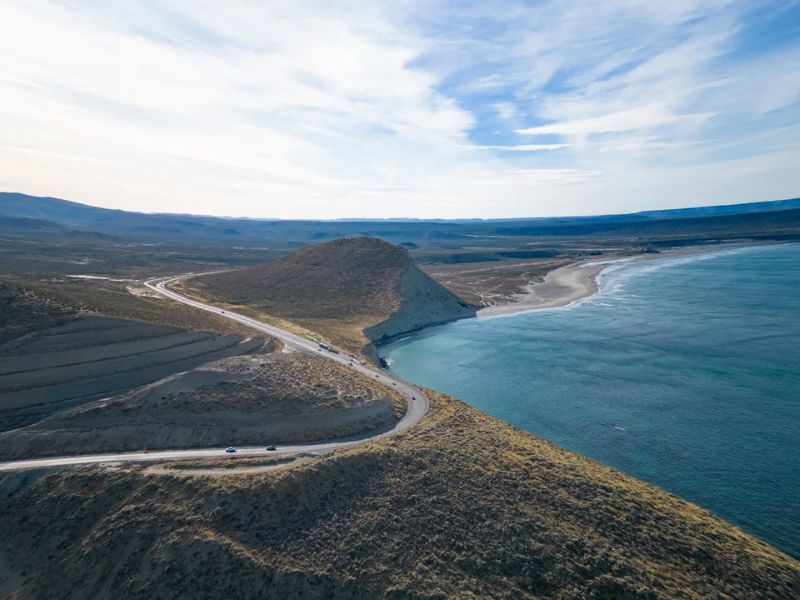
This desire to slow down can also lead to Amazon lodges, the landscapes of Patagonia or less-visited regions of Central America. It does not necessarily mean staying somewhere without internet access, but rather giving more space to activities on site, nature and time spent together.
For these destinations, the trend particularly highlights multi-night stays, small-scale accommodation, guided excursions and experiences offered with local communities.
History becomes a reason to travel
Another trend identified is travel inspired by history, great civilizations, legends or ancient stories. Interest in heritage is particularly strong in the United Kingdom, where 39% of the travellers surveyed plan to visit historic sites in 2027, compared with 35% in Spain and 29% in France.
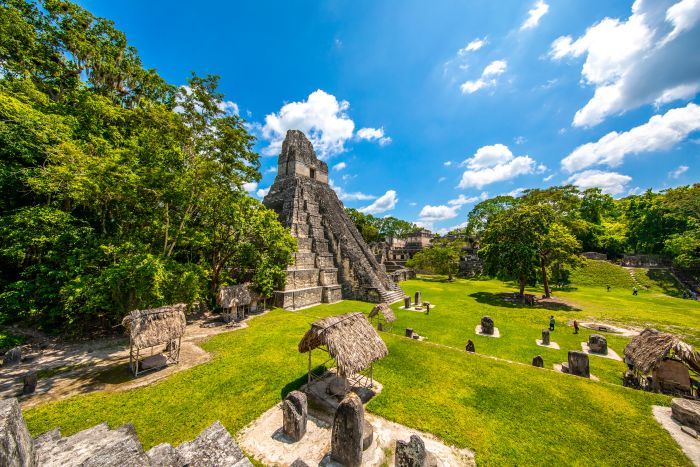
Every country in Latin America has a rich history that reaches back long before the arrival of Europeans, continues through the colonial period and the independence movements, and extends to the present day. These different eras have left their mark on landscapes, cities, monuments and traditions, offering many possibilities for travel centred on history.
In Mexico and Guatemala, Maya cities provide an insight into several centuries of history through architecture, religious practices and the relationships between ancient cities. In Peru and Ecuador, Inca trails and the Qhapaq Ñan network still connect archaeological sites with inhabited territories.
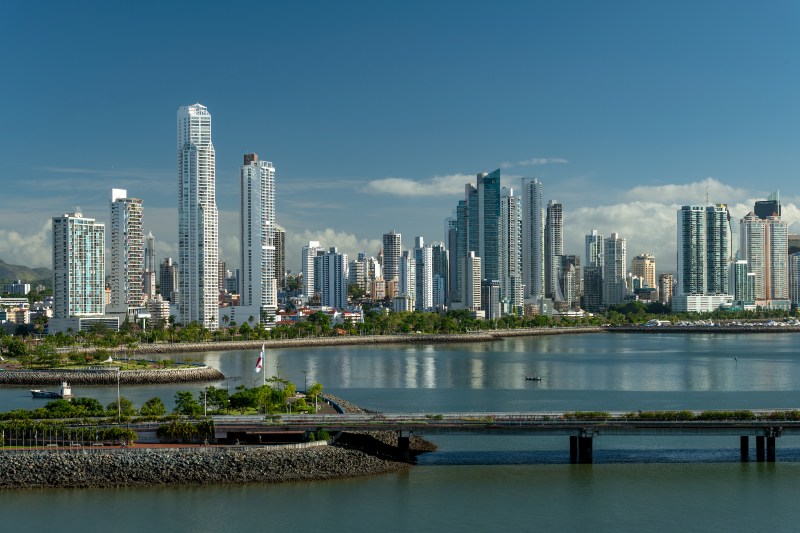
History can also be explored through cities and old trade routes. The streets of Sucre and Potosí, in Bolivia, The Colonial Transisthmian Route of Panama, Jesuit missions and the historic centres of Central America offer ways to explore other periods, from trade and colonial heritage to the history of the independence movements.
The trend is interesting because it encourages travellers to go beyond the isolated visit of a monument. An itinerary can follow an old route, connect several sites or combine heritage with encounters with the people who live in these places today.
Music, a travel motivation in its own right

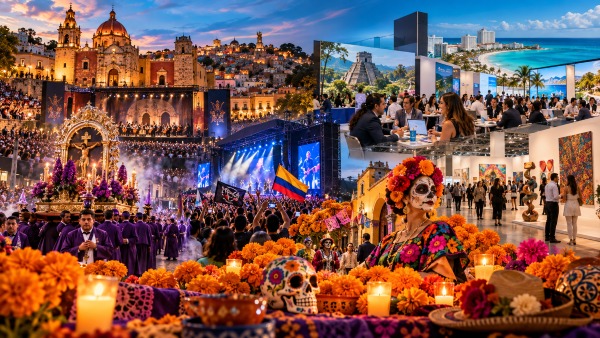
This is probably one of the trends that speaks most directly to Latin America. Skyscanner reports a 108% increase in searches linked to the Rio Carnival in 2026, and 58% for Barranquilla Carnival, in Colombia.
The surveys also show differences between markets: 13% of British travellers, 9% of Spanish travellers and 8% of French travellers surveyed are considering attending a music festival or carnival in 2027. The report also highlights growing interest in regional musical styles, including Brazilian pagode and sertanejo, as well as Mexican regional music.
Major events naturally attract visitors, but music tourism goes far beyond festivals. In Cali, salsa is part of the city’s nightlife and identity. In Montevideo, candombe drums accompany comparsas through the streets of Barrio Sur and Palermo. In the Dominican Republic, merengue and bachata occupy a central place in celebrations and cultural life.
There are also contemporary music scenes, concerts, clubs, dance schools and encounters with musicians. A musical evening can become one of the most memorable moments of a stay without necessarily being linked to a major international event.
This relationship between music, culture and travel is also one of the themes we explore at Visit Latin America through our articles dedicated to musical styles, including tango and Vallenato. Our playlists by country and genre, available on Spotify, also make it possible to extend these discoveries before or after a trip.
Travelling together and bringing home something other than a classic souvenir
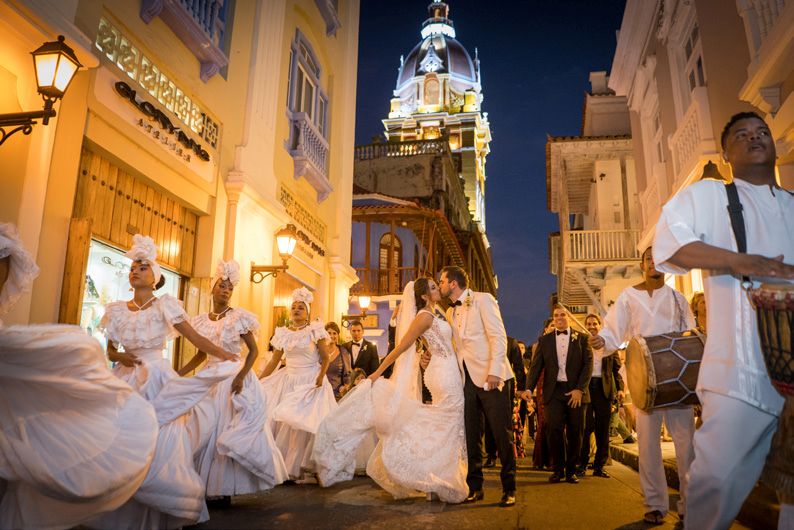
The results also show how travel organized around celebrations is evolving. Bachelor and bachelorette parties now sometimes bring together both future spouses and their friends on the same trip. This format is particularly appealing to Spanish travellers: 37% would consider it, compared with 29% of French travellers and 25% of British travellers.
Flight searches for groups of adults have also increased by 13%, and São Paulo shows an increase of 93% among destinations associated with this trend. The Brazilian metropolis has many assets for these group getaways, including gastronomy, concerts, nightlife and cultural activities.
Weddings and honeymoons also form part of this desire to celebrate through travel. Cartagena de Indias, in Colombia, was recently named South America’s Leading Honeymoon Destination at the 2026 World Travel Awards. With its historic centre, characterful hotels and exceptional properties, restaurants, rooftops and the nearby Rosario Islands, the city offers a particularly attractive setting for organizing a wedding, bringing loved ones together or extending the celebration with a romantic stay.
Our article: Saying “I do” elsewhere: five Latin American destinations to celebrate a wedding
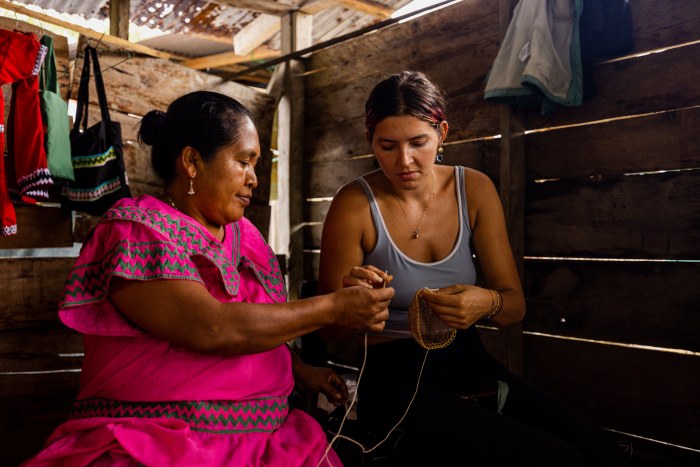
The report also looks at another desire: bringing home an object that can only be found in a specific place. Skyscanner focuses mainly on products that have become popular on social media, but the idea can also be extended to Latin American craftsmanship.
In Latin America, every country, and often every region, has its own craft traditions, materials and know-how. From Guatemalan and Andean textiles to Mompox filigree, from Oaxaca ceramics to the famous Panama hat, which originates in Ecuador, markets and workshops offer a wide range of discoveries. Beyond purchasing an object, it is also possible to meet artisans, observe their work and even take part in introductory workshops in weaving, pottery or other traditional techniques. An experience that makes it possible to return home with an object carrying a personal story.
Wellness, physical activity and attention to budget

The 2027 trends also concern the way travellers experience their holidays. With Gym-Cation, Skyscanner describes travellers who want to continue their sporting activities while away. This focus is reflected in accommodation choices: 25% of the Spanish travellers surveyed favour hotels with sports facilities, compared with 19% of British travellers and 16% of French travellers.
In Latin America, this desire can take different forms: surfing in Costa Rica, yoga in the Sacred Valley, hiking in the Andes, thermal bathing at the foot of volcanoes or stays combining sport and relaxation. Wellness is not only about spas, but also physical activity and time dedicated to oneself.
Our article: Wellness tourism in Latin America: thermal waters, rituals and new sensory journeys
Budget naturally remains another important criterion. Exchange rates have already led 39% of Spanish travellers, 27% of French travellers and 26% of British travellers surveyed to choose another destination in order to benefit from more favourable conditions.
In Latin America, situations vary considerably from one country to another. The cost of transport, accommodation and activities, as well as currency fluctuations, can influence the choice of destination or length of stay.
This attention to budget is also a reminder of the importance of clearly presenting what a trip actually makes possible, beyond the price of the flight alone.
Des tendances qui trouvent déjà leur place en Amérique latine
The Skyscanner report does not predict which destinations will be the most visited in 2027. Above all, it shows that the reasons for travelling are becoming more diverse and that travellers are paying greater attention to their experiences, interests and the way they want to spend their time.
In Latin America, many of the experiences being sought already exist, supported by territories, traditions, events and local stakeholders. Trends may sometimes change names, but above all they remind us that a trip is chosen as much for what one comes to experience as for the places one hopes to discover.
Photos: Promperu | Promtur | Embratur | ProColombia | Sernatur | Visit Costa Rica | Inprotur | INGUAT
Sources: Skyscanner France, Espagne & Royaume-Uni